Leave Your Message
- Phone
- E-mail
- Skype
- Whatsapp
- Whatsapp

Lately, we’ve seen a real upswing in the popularity of traditional herbal remedies. It seems like more and more folks are turning to natural options for their health needs. One plant that's really caught people’s attention is **Cuspidatum Root Extract**. It’s been getting a lot of buzz for its potential health benefits. As researchers dive into what it can really do, it’s super important to see how **Cuspidatum Root Extract** stacks up against some of the classic remedies we already know. In this blog, we’re gonna take a closer look at the science behind it and explore how it might fit into today’s herbal practices.
Here at Xi'an Jintai Biotechnology Co., Ltd., we take pride in our commitment to quality. We’re all about making top-notch Herbal Extracts, including that amazing **Cuspidatum Root Extract**. Our quality control process is pretty thorough, ensuring we maintain our standards from the moment we start planting to when the final product is ready. We go through strict screening and inspections to make sure our raw materials are as safe and effective as they can be. As we dig into the potential benefits of **Cuspidatum Root Extract**, we’re also reflecting on our dedication to providing safe, high-quality herbal solutions for anyone looking for effective health alternatives.
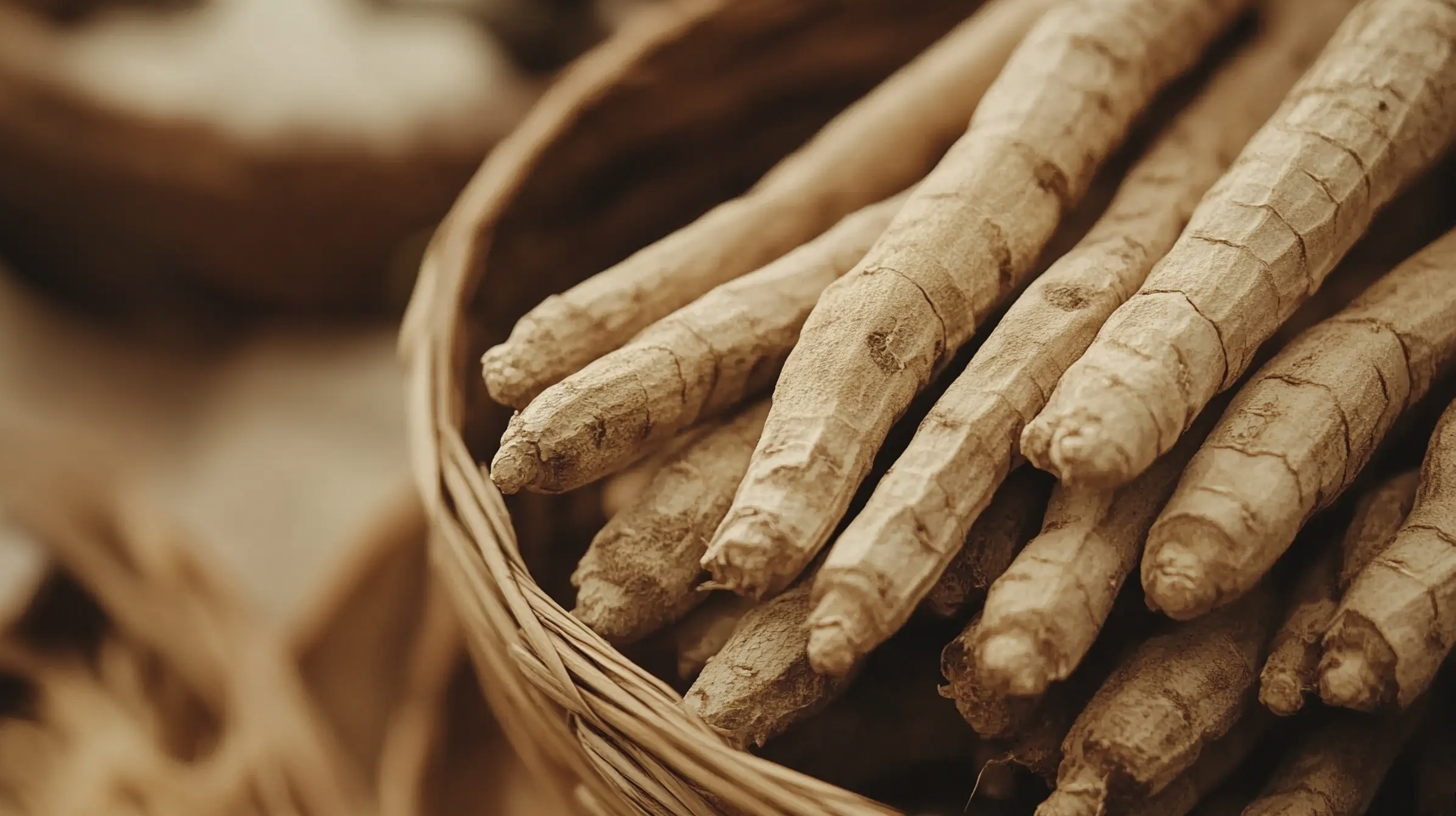
The historical significance of Cuspidatum root, known scientifically as Polygonum cuspidatum, is rooted deeply in traditional herbal medicine, particularly in East Asia. This robust botanical has been utilized for centuries in China and Japan to address various ailments, including inflammation, infections, jaundice, and skin burns. Its unique phytochemical composition, rich in resveratrol and other flavonoids, has fueled ongoing interest in its therapeutic potential. Recent reviews highlight that Polygonum cuspidatum possesses remarkable pharmacological properties, demonstrating efficacy in treating hyperlipidemia and other metabolic disorders. The anti-inflammatory and Antioxidant activities of its extracts suggest why it has held a prominent place in herbal formulary. Researchers have documented its use in traditional practices, emphasizing not only its historical relevance but also its contemporary importance in integrating herbal remedies with modern medicinal approaches. As the focus on natural remedies continues to rise, studies indicate that Cuspidatum root extract may provide significant benefits compared to conventional treatments. Its multidimensional healing properties position it as a promising candidate in the realm of herbal medicines, merging time-honored practices with cutting-edge clinical applications. Such insights underscore the potential of traditional herbal remedies in today's healthcare landscape, inviting further research into Cuspidatum root's efficacy and safety in various therapeutic contexts.

You know, diving into the world of cuspidatum root extract and its place in traditional remedies really sparks some fascinating conversations about how it stacks up against other popular herbal treatments. Traditional medicine has been around forever, right? Herbs like thyme, liquorice, and ashwagandha have been crucial in healing practices all over the globe. Take thyme, for example; it’s famous for tackling skin and gut infections, plus it offers some relief for those pesky respiratory issues. It’s pretty impressive when you think about how these age-old remedies have stood strong through the years.
Now, cuspidatum root extract brings a fresh angle to the table when we're talking about herbal treatment effectiveness. While thyme definitely has its fan club thanks to its wide array of health benefits, the unique compounds found in cuspidatum might just offer some exciting new therapeutic options. We can even look at other traditional herbs, like Piper chaba, which gets a lot of love in Bangladesh for its antimicrobial powers. Figuring out how cuspidatum root extract compares to these well-known remedies could really shape how we use these alternatives in holistic health down the line.
And let’s not forget, the power of herbal remedies is especially relevant today with ongoing challenges like COVID-19. Researchers are really digging into traditional herbs like liquorice to see how they might protect us against coronaviruses, which makes a strong case for blending these time-honored practices with modern medicine. By looking into how cuspidatum root extract measures up against these established herbal solutions, we might uncover some exciting new ways to boost our health using the natural world around us.
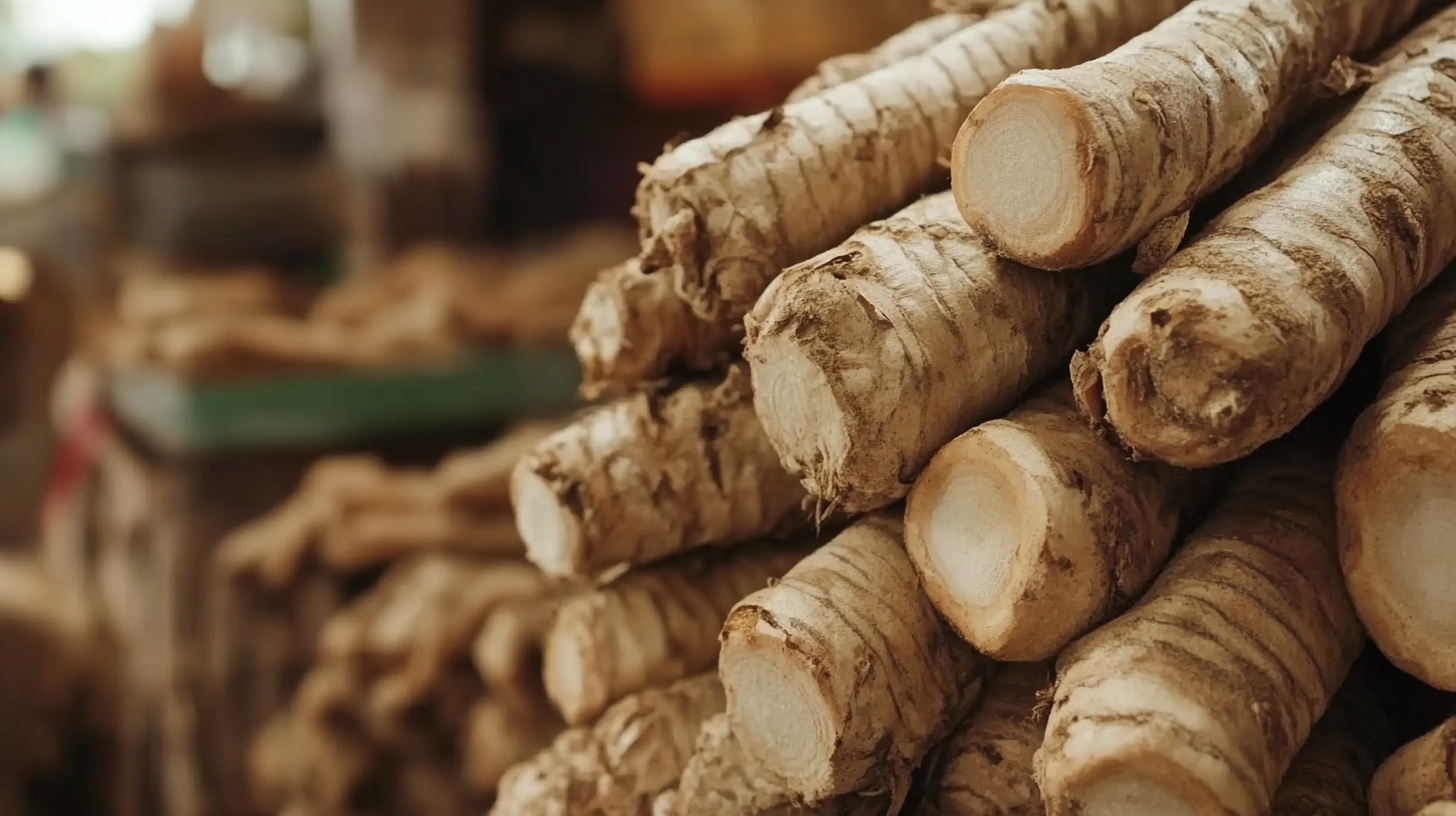
You know, diving into Cuspidatum root extract is really fascinating. When you look closely at how it works, you discover a bunch of bioactive compounds that seem to pack a therapeutic punch. One standout is emodin—it's this notable anthraquinone derivative that gets a lot of buzz, especially for its neuroprotective abilities. This might just open up some fresh ideas about how we can use it. Understanding the biochemical pathways that emodin affects is super important, especially when it comes to tackling metabolic disorders like diabetes.
Recently, some studies have shown that emulsions from Polygonum cuspidatum really pack a punch in terms of anti-inflammatory and antioxidant properties. This matters a lot, particularly for heart diseases, where pesky things like advanced glycation end products (AGEs) and oxidative stress play a big role in making things worse. Cuspidatum extract jumps in by acting on NF-κB-mediated pathways to tone down those inflammatory responses, which is pretty exciting, right? Plus, it's even been found to help with serious issues like sepsis-related acute kidney injury, showcasing just how versatile this extract can be in dealing with major health challenges.
What’s really cool is how Cuspidatum root extract plays nicely with traditional herbal remedies. It helps manage blood sugar levels and reduces inflammation, making it a strong contender for holistic approaches to chronic diseases. The journey of emodin really highlights the awesome potential of traditional herbal medicine to offer insights into modern pharmacological therapies. It’s like blending the old with the new, which is always intriguing!

Hey there! So, you know how everyone’s been looking for natural remedies lately? Well, some recent studies are giving us a closer look at Cuspidatum root extract, and it turns out this stuff might just be the real deal when it comes to alternatives for conventional herbal medicines. People have been using Cuspidatum root for ages across different cultures because of its medicinal benefits. Now, researchers are putting those age-old claims to the test with some solid science.
In a series of clinical trials, Cuspidatum root extract has shown some pretty impressive anti-inflammatory and antioxidant properties—key factors for tackling chronic issues like arthritis and heart problems. Scientists are particularly diving into certain compounds within the extract, like resveratrol and flavonoids, and they’re finding that these guys really boost the root’s overall health benefits. This means that Cuspidatum root could be a more targeted option compared to your run-of-the-mill herbal remedies, making it a game-changer for treatment plans.
Plus, the cool thing about Cuspidatum root extract is that it can be mixed into all sorts of products—think teas, capsules, you name it! With more folks interested in natural health solutions, extracting and validating these natural products like Cuspidatum might just help bridge that gap between old-school herbal practices and modern nutritional science. As more studies roll out, who knows? The role of this extract in the herbal health scene could really take off, opening up some exciting pathways for people searching for effective, natural ways to boost their health.
Hey there! So, let me tell you about cuspidatum root extract. It comes from the plant Polygonum cuspidatum and it's shaping up to be a pretty exciting alternative to your usual herbal remedies. What’s really cool is that this extract is packed with emodin, a compound that’s got some serious neuroprotective powers and helps deal with oxidative stress. The way emodin works is kind of complex—it's got a lot going on, like reducing inflammation and fighting free radicals, which makes it a strong player in the herbal medicine game.
And there’s more! Recent research is all about how effective cuspidatum root extract can be for a bunch of different health issues. For example, its ability to fight off oxidative stress-related damage is pretty crucial because that stuff is linked to chronic diseases. But it doesn’t stop there—the extract also shows promise as a green corrosion inhibitor, which is a fancy way to say it might help in environmental applications too! As scientists keep digging into what cuspidatum root extract can do, it really seems to be a goldmine for both health and ecological advancements.
Oh, and get this: researchers are also looking into how this herbal magic works against Borrelia burgdorferi, the bacteria that causes Lyme disease. Early signs are pointing to cuspidatum root extract being a solid alternative, especially when traditional antibiotics might let you down. With more folks leaning towards natural and plant-based medicines, diving deeper into the benefits of this extract could lead us to some groundbreaking treatments. Plus, it’s a way to do healthcare while being kind to our planet’s resources!
You know, herbal remedies have really been catching on lately! But it turns out, we still face some pretty big challenges when it comes to figuring out how effective they actually are. Take traditional herbal medicines, like those from the cuspidatum root; they often get put under the microscope for what’s in them and if the benefits they claim are the real deal. There was this recent study that shone a light on berberine, an alkaloid in herbs like Huanglian, and it suggested it might have some anti-cancer properties. Cool, right? But here’s the catch—berberine’s oral bioavailability is pretty low. So, even though the lab results are promising, getting it to reach effective levels in our bodies is a whole other story.
And then there's the issue of standardizing herbal extracts, which complicates things even more. Unlike your typical pharmaceutical drugs that come with clear dosages and active ingredients, herbal blends can really vary—like a lot—based on things like where they’re grown, how they’re harvested, and how they’re prepared. This inconsistency can mess with the results of clinical studies, making it hard to get a clear picture. According to a World Health Organization report, about 80% of people in some developing countries rely on traditional medicine. That really highlights how urgent it is to dig deeper and back these natural remedies up with solid research.
Plus, there’s the tricky issue of funding and infrastructure specifically for herbal medicine research. A market analysis from 2022 showed that while the global herbal medicine market could hit a staggering USD 390 billion by 2025, only a tiny sliver of that goes into actual scientific research. This gap makes it difficult to connect the dots between how these remedies are used traditionally and what modern science can validate. We really need researchers and healthcare folks to come together to uncover the true potential of herbs like cuspidatum root extract, despite all these hurdles.
You know, Cuspidatum root extract has really caught some buzz lately, especially when you think about its possible uses in therapy compared to the usual herbal remedies. This extract comes from the Fallopia japonica plant and is packed with some pretty powerful compounds like resveratrol and emodin. These guys have shown that they can really help out with inflammation, oxidative stress, and even have antimicrobial effects. There’s this study in the Journal of Ethnopharmacology that points out how these compounds can boost our immune system and generally help us feel better overall.
Now, if we take a look at the bigger picture, reports suggest that the global herbal supplement market might hit around USD 111.09 billion by 2026! That's largely because more and more people are turning to natural and holistic health options. In that light, Cuspidatum root extract definitely stands out as a key player in the world of herbal medicine. It’s super versatile, used in everything from dietary supplements to topical creams, making it an appealing choice for folks who are health-conscious.
And here’s something cool: research has shown that this extract could help manage chronic conditions too. For instance, a study backed by the National Institutes of Health found it can be effective in regulating blood sugar. This could be a game-changer for diabetes management! As more healthcare pros start to see the benefits of adding Cuspidatum root extract to their treatment plans, we can expect to see it becoming even more popular, especially alongside traditional herbal remedies. It's really exciting to think about all the innovative health solutions that might be on the horizon!
You know, there's been a lot of buzz lately about the Cuspidatum root extract, and honestly, it's pretty exciting! It seems like researchers are diving back into this stuff, especially when you compare it to the usual herbal remedies we’ve heard about for years. There's quite a bit of evidence piling up that suggests it actually works, and scientists are trying to figure out the best ways to incorporate it into today's healthcare practices. A recent report from the Journal of Ethnopharmacology points out that the compounds found in Cuspidatum root, like emodin and resveratrol, have impressive anti-inflammatory and antioxidant effects. So, yeah, they might be really useful for tackling chronic diseases. With herbal remedies becoming more popular these days, really understanding how Cuspidatum does its thing could open up a whole new world for integrative medicine.
Looking ahead, it seems crucial for researchers to conduct some solid clinical trials to nail down the safety measures and proper dosages for Cuspidatum root extract. An insightful review published in Phytotherapy Research also brings up a super important point about standardizing herbal preparations. That way, we can reduce the inconsistencies in how effective these remedies are. Plus, comparing Cuspidatum with other well-known herbal remedies might shed light on its unique benefits and how it works in combination with other treatments. By the way, market research from Grand View Research suggests that the herbal supplement industry is on track to surpass $410 billion by 2028. That’s a huge number! It really shows that we need fresh ideas and solid evidence for using extracts like Cuspidatum in this booming market.
And here's a fun thought: bringing together experts from different fields—like pharmacologists and botanists—could really spark some interesting collaborations. Using cutting-edge technologies, such as high-throughput screening and metabolomics, might help us better understand how all the phytochemicals in Cuspidatum root extract interact. This big-picture approach could not only amp up its therapeutic potential but might also lead to some innovative herbal formulations that tackle the health challenges of modern life, setting the stage for a whole new era in herbal medicine soon.
Cuspidatum root extract is known for its rich bioactive compounds and its potential efficacy as an alternative to traditional herbal remedies, traditionally utilized for its medicinal properties.
Clinical trials have shown that Cuspidatum root extract has significant anti-inflammatory and antioxidant effects, which are important for managing chronic diseases such as arthritis and cardiovascular issues.
Key compounds within Cuspidatum root extract, such as resveratrol and flavonoids, have been identified as contributors to its overall therapeutic benefits.
The adaptiveness of Cuspidatum root extract across various formulations, including teas and capsules, enhances its appeal in modern herbal medicine and facilitates broader consumer use.
Challenges include the variability in herbal formulations, low oral bioavailability of certain active compounds (like berberine), and the lack of funding for dedicated research in herbal medicine.
The global herbal medicine market is projected to grow significantly, and Cuspidatum root extract is considered a valuable component due to its versatile applications and therapeutic potential.
Cuspidatum root extract supports cardiovascular health, helps manage oxidative stress, and promotes skin health through its unique biochemical properties.
Research has indicated that Cuspidatum root extract can effectively regulate blood sugar levels, suggesting potential as an adjunct therapy for diabetes management.
There is an urgent need for more rigorous research to validate the efficacy of herbal remedies, as many people still rely on traditional medicine, particularly in developing countries.
As more healthcare professionals recognize its advantages, there is likely to be an increase in the integration of Cuspidatum root extract into treatment protocols alongside traditional herbal remedies.